
The aviation sector is undergoing a transformative phase, driven by technological advancements, sustainability initiatives, and increasing global connectivity. For investors, this evolution presents a myriad of opportunities. Below are seven strategic areas within aviation poised for significant growth over the next five years, each illustrated with real-world examples:
1. Aircraft Leasing & Asset Management
With global air travel demand rebounding, airlines are expanding their fleets, often opting for leasing over purchasing to maintain flexibility. Companies like Barings have invested heavily in acquiring aircraft and their leases, anticipating sustained passenger demand despite production backlogs.
2. Maintenance, Repair & Overhaul (MRO) Facilities
The surge in aircraft orders necessitates robust MRO infrastructure. IndiGo’s recent investment of ₹1,100 crore in an MRO facility at Bengaluru Airport underscores the sector’s potential. Such facilities not only ensure operational efficiency but also offer lucrative returns for investors
3. Urban Air Mobility (UAM) & eVTOL Technologies
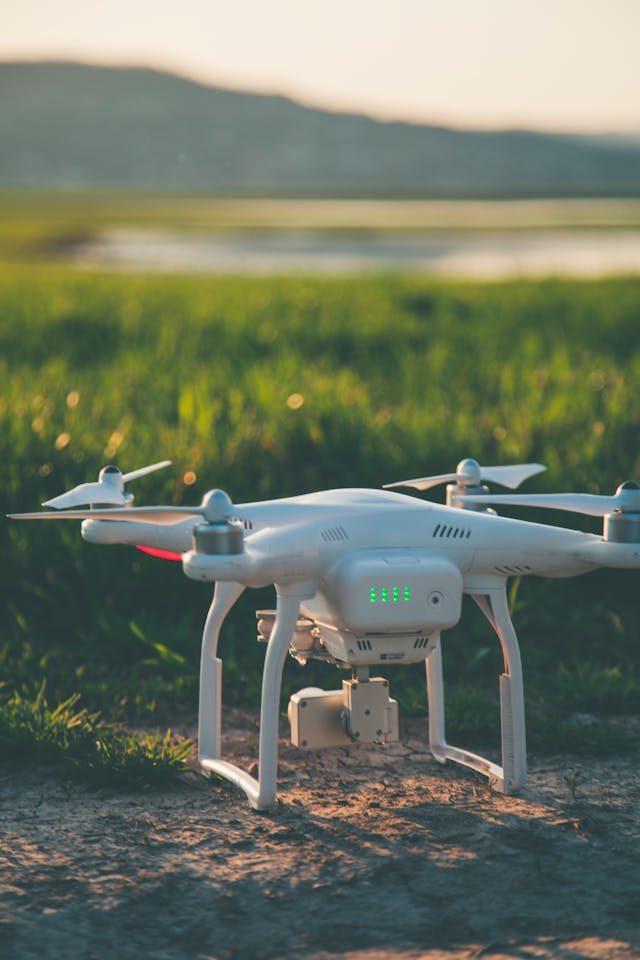
Urban Air Mobility is transitioning from concept to reality. Joby Aviation’s stock surged by over 25% following the announcement that it secured a $250 million investment from Toyota Motor. This amount marks the first half of a previously disclosed $500 million funding agreement aimed at supporting the production of Joby’s electric vertical takeoff and landing (eVTOL) aircraft.
4. Sustainable Aviation Fuels (SAF) & Green Technologies
The aviation industry’s commitment to reducing carbon emissions has spotlighted Sustainable Aviation Fuels. British Airways’ significant investment in SAF aims to offer greener flights at competitive prices. Additionally, Airbus’s development of hydrogen-powered aircraft indicates a broader shift towards sustainable aviation solutions.
5. Flight Training Organizations (FTOs) & Aviation Education
The anticipated growth in the global aircraft fleet necessitates a corresponding increase in trained pilots and maintenance personnel. Air India has decided to set up South Asia’s largest flight training academy in the western state of Maharashtra at Amravati and aims to invest to the tune of INR 200 crore.

6. Aviation Digitalization & Cybersecurity
The integration of digital technologies in aviation operations—from predictive maintenance to passenger services—enhances efficiency and safety. Investing in aviation-focused digital solutions, including cybersecurity measures, is crucial as the industry becomes increasingly interconnected.
7. Airport Infrastructure & Regional Connectivity
Governments worldwide are prioritizing regional connectivity to spur economic growth. India’s plan to develop 50 new airports over the next five years exemplifies this trend. Investing in airport infrastructure, including terminals, logistics hubs, and ancillary services, offers long-term benefits
Conclusion
The aviation industry’s trajectory over the next five years is marked by innovation, sustainability, and expansion. Investors positioned to capitalize on these trends – through leasing, infrastructure, technology, or training – stand to benefit from the sector’s growth.
For tailored investment strategies in aviation, feel free to reach out to us at mail@aviatech360.com.
PN: This article is for informational purposes and does not constitute financial advice. Always consult with a financial advisor before making investment decisions.